The Counter · Guide
The complete pizza-night setup: stone, steel, peel, and thermometer
Build a home pizza night from the ground up—here's what each tool does, and who can skip it.
Our picks
- 01Best thermal mass for crispy crusts:NerdChef Steel Stone - High Performance Pizza Baking \| Made in USA (14.5" x 16" x 1/4") - (.25" Thick - Standard)
- 02Best for nailing proofing and crust temps:Wireless Meat Thermometer Digital with 4 Probes - 800FT Bluetooth Food Cooking Thermometer, Dual Sensors with NIST Certified Accuracy, Standalone Base for Kitchen Grill BBQ Oven Smoker
- 03Best starter kit with everything included:KitchenStar 16-inch Pizza Making Set, 6 PCS - Pizza Stone + Stainless Steel Rack, Acacia Wood Pizza Peel, Pizza Cutter Rocker + Protective Cover, Metal Brush - Oven & Grill Accessories Kit
- 04Best for Detroit and sheet-pan pizza:USA Pan Bakeware Heavy Duty Half Sheet, Warp Resistant Nonstick Baking Pan
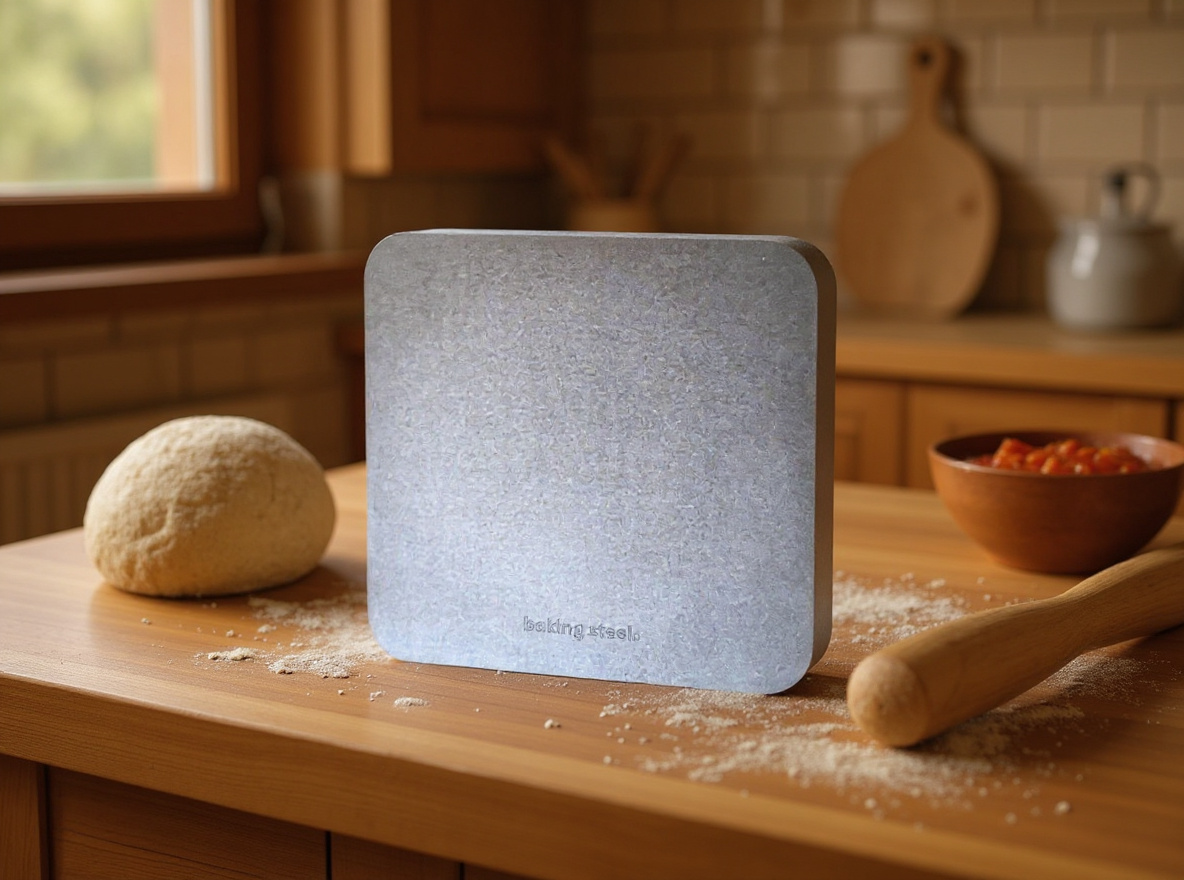
Best thermal mass for crispy crusts
NerdChef Steel Stone - High Performance Pizza Baking \| Made in USA (14.5" x 16" x 1/4") - (.25" Thick - Standard)
The NerdChef Steel Stone is the single biggest upgrade a home pizza maker can buy. A quarter-inch slab of carbon steel conducts heat 18 times faster than ceramic, which means your dough gets a hard sear on the bottom in seconds—the foundation of a crackling crust. Steel also recovers temperature faster after you slide in a cold dough, so you can fire pizzas back-to-back without waiting between rounds. You'll notice leopard spotting and that signature pizzeria char you can't fake with stone. At 14.5 by 16 inches, it fits most home ovens (measure yours first). The only catch: steel requires a bit more care than ceramic. You should preheat it longer (at least 45 minutes), and it's worth seasoning it lightly with oil to prevent rust. If you're serious about pizza night—even once a month—this is where to spend your money. Skip this if you're a once-a-year pizza maker or if you have a gas oven under 500°F; the returns diminish.
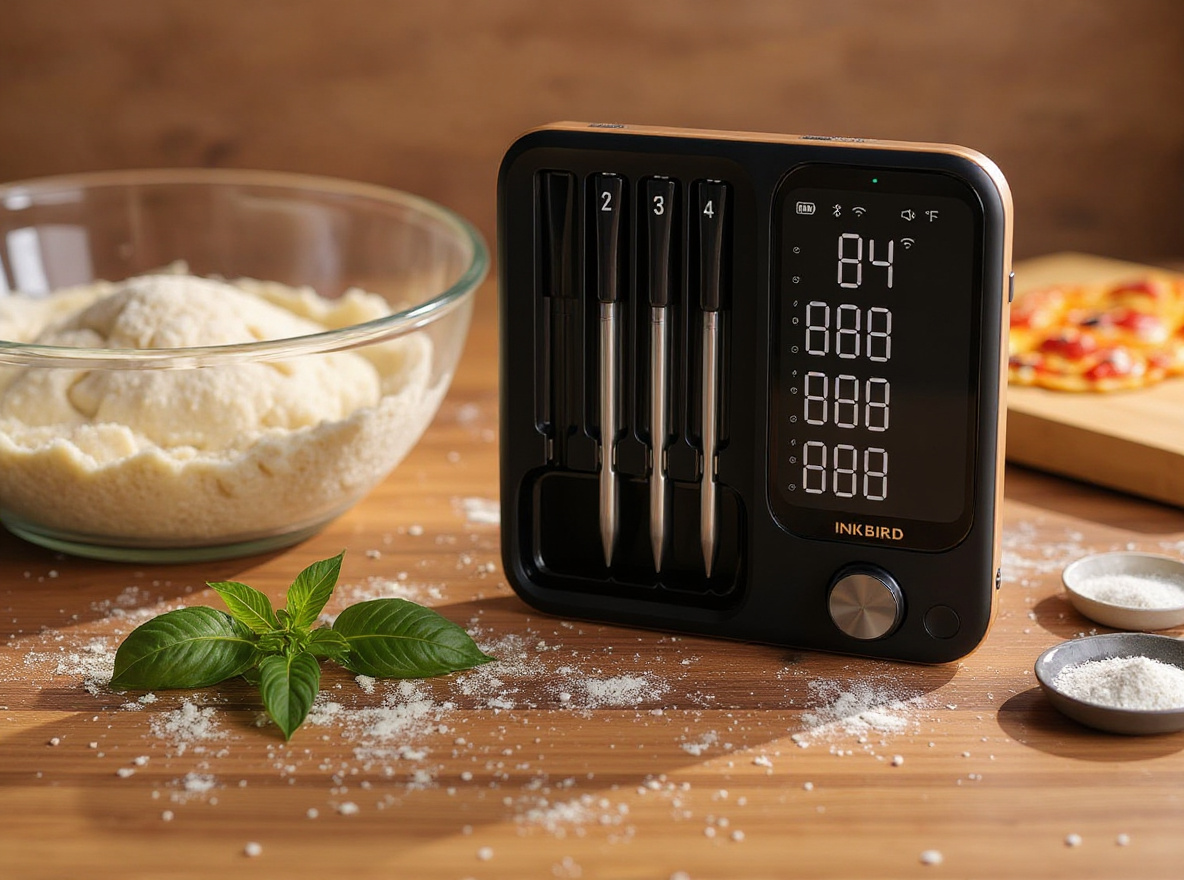
Best for nailing proofing and crust temps
Wireless Meat Thermometer Digital with 4 Probes - 800FT Bluetooth Food Cooking Thermometer, Dual Sensors with NIST Certified Accuracy, Standalone Base for Kitchen Grill BBQ Oven Smoker
Pizza is a temperature game. You need to know when your dough has proofed (around 75–80°F), when your oven is truly ready (not just the dial—the actual stone or steel), and how warm your crust is as it cooks (the target is 200–210°F internal). The wireless thermometer with four probes lets you clip one to your dough bulk, stick another into the oven to track ambient heat, and still have two spare for other purposes. The 800-foot Bluetooth range means you can monitor from your couch or patio. The base station doesn't require a phone app, which cuts down on fiddling. Accuracy is within 0.9°F (NIST certified), so you're not guessing. This is essential if you're serious about consistency—especially if you're doing multiple pizzas and want to understand why one crust came out differently than the last. You can skip this if you're content with eyeballing proofing and relying on your oven's dial, but thermal awareness is what separates casual pizza nights from controlled ones.
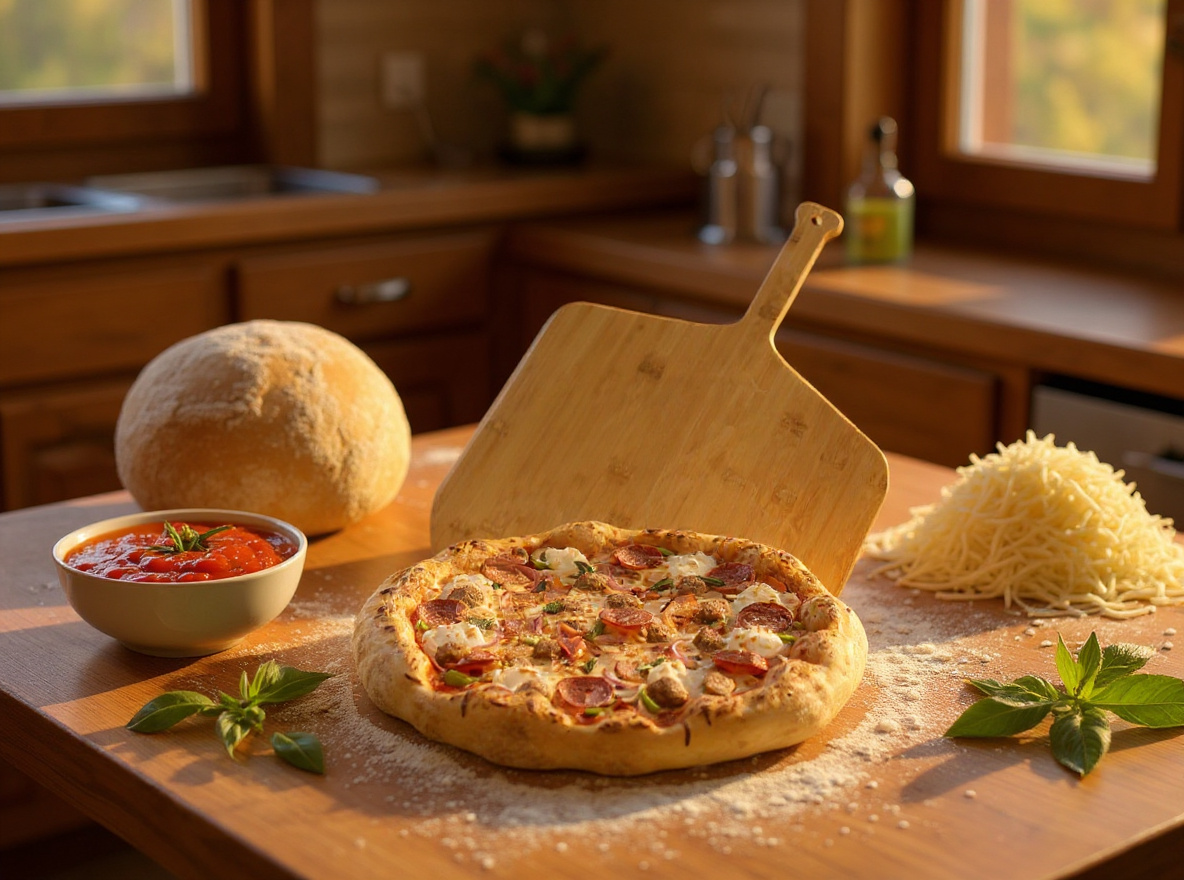
Best starter kit with everything included
KitchenStar 16-inch Pizza Making Set, 6 PCS - Pizza Stone + Stainless Steel Rack, Acacia Wood Pizza Peel, Pizza Cutter Rocker + Protective Cover, Metal Brush - Oven & Grill Accessories Kit
If you've never made pizza at home and don't want to buy tools one at a time, the KitchenStar 6-piece set covers the core bases: a 16-inch cordierite pizza stone, a wooden peel for sliding dough onto heat, a rocker-style pizza cutter for quick slicing, a metal brush for cleaning, and even a protective cover. It's a complete ecosystem, and at $70, cheaper than buying a steel and peel separately. The cordierite stone is rated to 1,450°F, which is hotter than most home ovens run, and it distributes heat evenly. The acacia wood peel is lightweight enough that you won't tire your arm on launch night. The main trade-off: cordierite doesn't conduct heat as aggressively as steel, so your crust will be good but not pizzeria-grade; you'll also need a longer preheat time. This is ideal for someone doing pizza nights 4–6 times a year and happy with a solid-but-not-obsessive result. Skip this if you've already committed to the steel upgrade, or if you know you'll make pizza only once or twice and want to minimize gear.
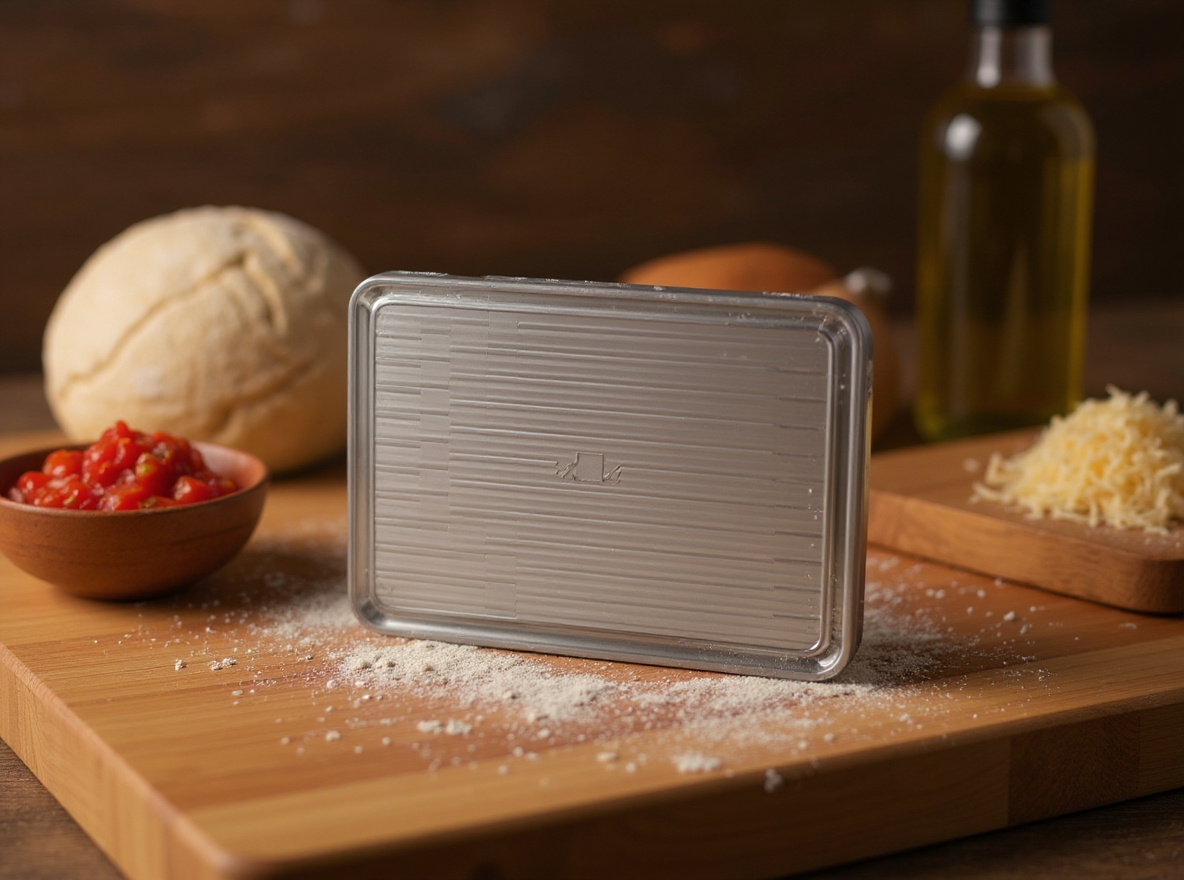
Best for Detroit and sheet-pan pizza
USA Pan Bakeware Heavy Duty Half Sheet, Warp Resistant Nonstick Baking Pan
Not all pizza is round and wood-fired. Detroit-style, pan pizza, and thick-crust sheet pies are having a moment, and they demand a proper baking pan. The USA Pan half sheet is built from aluminized steel with a reinforced rim that resists warping—crucial because a warped pan bakes unevenly and looks sad. The silicone nonstick coating releases dough cleanly without oil, though a light oil layer before proofing is traditional. At 13 by 18 inches, it's the standard restaurant half-sheet size, so recipes and scaling work predictably. This pan also excels for roasting vegetables or baking cookies, so it earns its place in the drawer. You can skip this if you're committed to thin-crust round pizza on a steel or stone—it serves a different pizza philosophy. But if you want to explore Detroit style or prefer a thicker, breadier crust, this is the one tool that makes that work without jury-rigging it.
In closing
Common questions
- Do I really need a pizza steel, or will a stone work fine?
- A cordierite stone will work—it's been the standard for decades. But steel heats faster, recovers temperature quicker between pizzas, and delivers a noticeably crispier, more leopard-spotted crust. If you're making one or two pizzas a year, stone is fine. If you're doing pizza night monthly or more, steel is worth the upgrade. Both require preheating (at least 45 minutes) and careful launching to avoid burning your hands.
- Can I use the sheet pan and steel together?
- No. They serve different pizza styles. Use the steel for thin-crust, round pizzas. Use the sheet pan for Detroit, pan, or thick-crust styles where you want a breadier texture and crispy, puffy edges. Choose your style first, then buy the tool.
- Is the wireless thermometer necessary, or can I just eyeball it?
- You can absolutely make good pizza by feel and experience. But the thermometer removes guesswork around proofing (dough temp) and oven readiness (stone or steel temp), which are the two biggest variables in crust quality. It's most useful if you're trying to dial in consistency or troubleshoot why some nights work and others don't. For casual pizza nights, it's a nice-to-have, not a must-have.
Friday morning
Get the next edit in your inbox.
One curated kitchen pick a week. No noise. Unsubscribe whenever.